
cybersecurity

Biometric Authentication: What Banks' 2026 Shift Means for You

Major financial institutions are mandating biometric authentication in 2026. Here's what you need to know about security benefits, privacy risks, and how to protect yourself.

Digital KarmaMay 28, 2026 6 min read
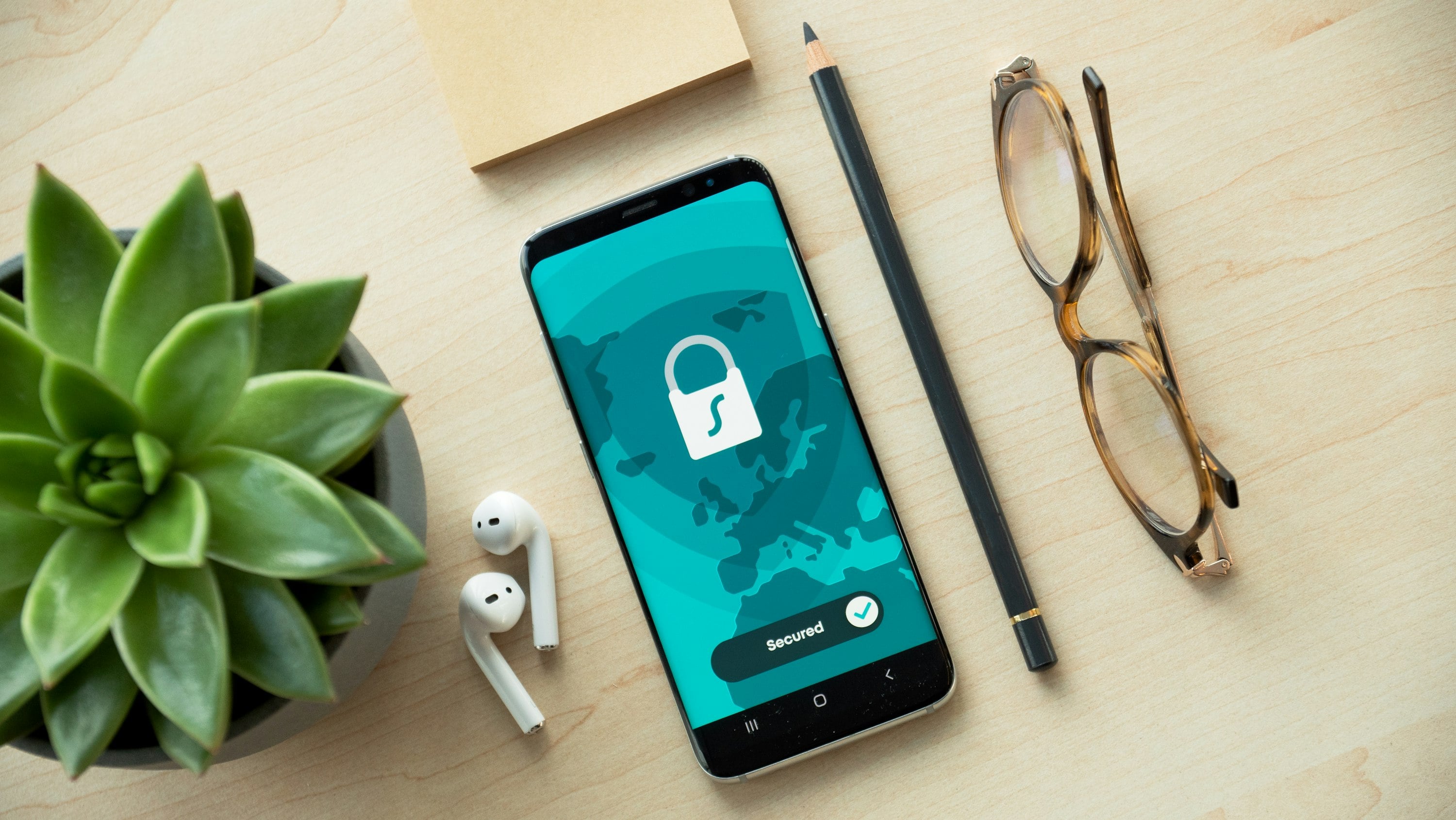
Biometric Authentication: What Banks' 2026 Shift Means for You
## Biometric Authentication: What Banks' 2026 Shift Means for You The financial services landscape is undergoing a significant transformation. Starting in 2026, major banks and fintech platforms are phasing out traditional password-only logins in favor of biometric authentication—a move that promises enhanced security but raises important questions about privacy and data protection. If you've noticed your banking app requesting facial recognition or fingerprint verification, you're witnessing this shift firsthand. But what does this change really mean for your financial security and personal privacy? ## Understanding Biometric Authentication ### What Is Biometric Authentication? Biometric authentication uses unique physical or behavioral characteristics to verify your identity. The two most common methods in financial apps are: **Facial Recognition**: Your device's camera captures and analyzes your facial features, creating a digital map of your face that's compared against stored data during login attempts. **Fingerprint Scanning**: Your device's sensor reads the unique patterns of your fingerprints, matching them against previously enrolled prints to grant access. Unlike passwords—which can be forgotten, stolen, or guessed—biometric data is inherently tied to your body, making it theoretically more difficult to compromise. ### Why Banks Are Making the Switch Financial institutions are adopting biometric authentication for compelling security reasons: - **Reduced fraud**: Biometric data is significantly harder to replicate than passwords - **Faster authentication**: No need to remember complex passwords or answer security questions - **Regulatory compliance**: Many jurisdictions now require stronger authentication methods for financial transactions - **Improved user experience**: Streamlined login processes increase customer satisfaction ## The Security Benefits You Should Know About Biometric authentication offers genuine security advantages over traditional passwords: **Uniqueness**: Your fingerprints and facial features are genuinely unique. Even identical twins have different fingerprints, making biometric data far more secure than reused passwords. **Resistance to phishing**: Since you're not entering credentials, attackers can't harvest your login information through phishing emails or fake websites. **Multi-factor capability**: Biometric authentication can work alongside other security measures, creating layered protection for your accounts. **Audit trails**: Banks can track exactly when and where your biometric data was used to access your account, providing accountability. ## Privacy Concerns: What You Should Understand While biometric authentication offers security benefits, legitimate privacy concerns deserve serious consideration. ### Facial Data Storage and Usage When you enroll in facial recognition, your bank creates a digital template of your face. Key questions to ask: - **Where is this data stored?** Reputable financial institutions store biometric data on encrypted servers with strict access controls - **Who has access?** Only authorized systems should process your biometric information - **How long is it retained?** Most banks delete biometric data when you close your account or opt out - **Can it be shared?** Legitimate banks won't share your facial data with third parties without explicit consent ### Spoofing and Presentation Attacks One significant concern is "spoofing"—attempts to fool biometric systems using photos, videos, or masks. Modern financial apps employ anti-spoofing technology including: - **Liveness detection**: Requiring you to blink, move your head, or perform other actions to prove you're a real person - **Multi-spectral imaging**: Using infrared and other wavelengths to detect fake presentations - **Behavioral analysis**: Monitoring how you interact with your device While no system is 100% foolproof, major financial institutions invest heavily in anti-spoofing measures. ## Practical Steps to Secure Your Biometric-Enabled Devices ### Device-Level Security **Keep your device updated**: Install security patches immediately. These updates often include improvements to biometric security systems. **Use strong device passwords**: Your phone or tablet's PIN or password is the first line of defense. Never use simple codes like "1234." **Enable additional security features**: Use two-factor authentication where available, even with biometric login enabled. **Protect your device physically**: A stolen phone with biometric enrollment is a serious security risk. Use device tracking features and consider remote wipe capabilities. ### App-Level Security **Review app permissions**: Check what data your banking app can access. Disable unnecessary permissions like location or contacts. **Understand your bank's privacy policy**: Read how your institution handles biometric data. **Use official apps only**: Download banking apps directly from official app stores, never from third-party sources. **Monitor account activity**: Regularly review your transaction history and set up alerts for unusual activity. ### Personal Practices **Don't share biometric enrollment**: Never let others enroll their biometric data on your device. **Be cautious with public devices**: Avoid using biometric authentication on shared computers or public WiFi networks. **Stay informed**: Keep up with security news and updates from your financial institution. ## The Balance: Security vs. Privacy Biometric authentication represents a genuine security improvement over passwords alone. However, this doesn't mean you should blindly accept every biometric request. The key is informed consent. Before enrolling in biometric authentication: 1. Understand exactly what data you're providing 2. Review your bank's privacy policy 3. Know your rights regarding data deletion 4. Assess whether the convenience justifies the privacy trade-offs for your situation For most users, the security benefits of biometric authentication outweigh the privacy concerns, especially when combined with strong device security practices. ## Looking Ahead to 2026 and Beyond As biometric authentication becomes standard in financial services, the industry will continue evolving. Emerging technologies like behavioral biometrics (how you type, move your mouse, or hold your device) may provide additional security layers without requiring new data collection. The transition to biometric authentication isn't about choosing between security and privacy—it's about understanding the trade-offs and making informed decisions about your financial security. ## Conclusion The shift toward biometric authentication in financial apps represents a meaningful step forward in security. By understanding how these systems work, addressing legitimate privacy concerns, and implementing strong device security practices, you can confidently embrace this technology. Stay informed about your financial institution's security practices, regularly review your account activity, and don't hesitate to ask your bank questions about how they protect your biometric data. Your financial security is too important to leave to chance. **Ready to take control of your digital security?** Digital Karma provides comprehensive guides and tools to help you navigate the evolving cybersecurity landscape. Explore our resources today and stay ahead of emerging threats.
biometric-authenticationfinancial-securityprivacy-protectionidentity-verificationcybersecurity-2026

Want to know your Security Score?

Take our free survey and get a personalized cybersecurity assessment — plus early access to the Digital Karma app.

Take the Free Survey